Safe Opening and Lock Service in Sacramento
A safe that will not open can hold a passport, a deed, or a day's receipts. We come to the safe, work out what it is, and tell you the plan before starting.
$29 trip fee. The tech gives you the price once they have seen the work, before starting.
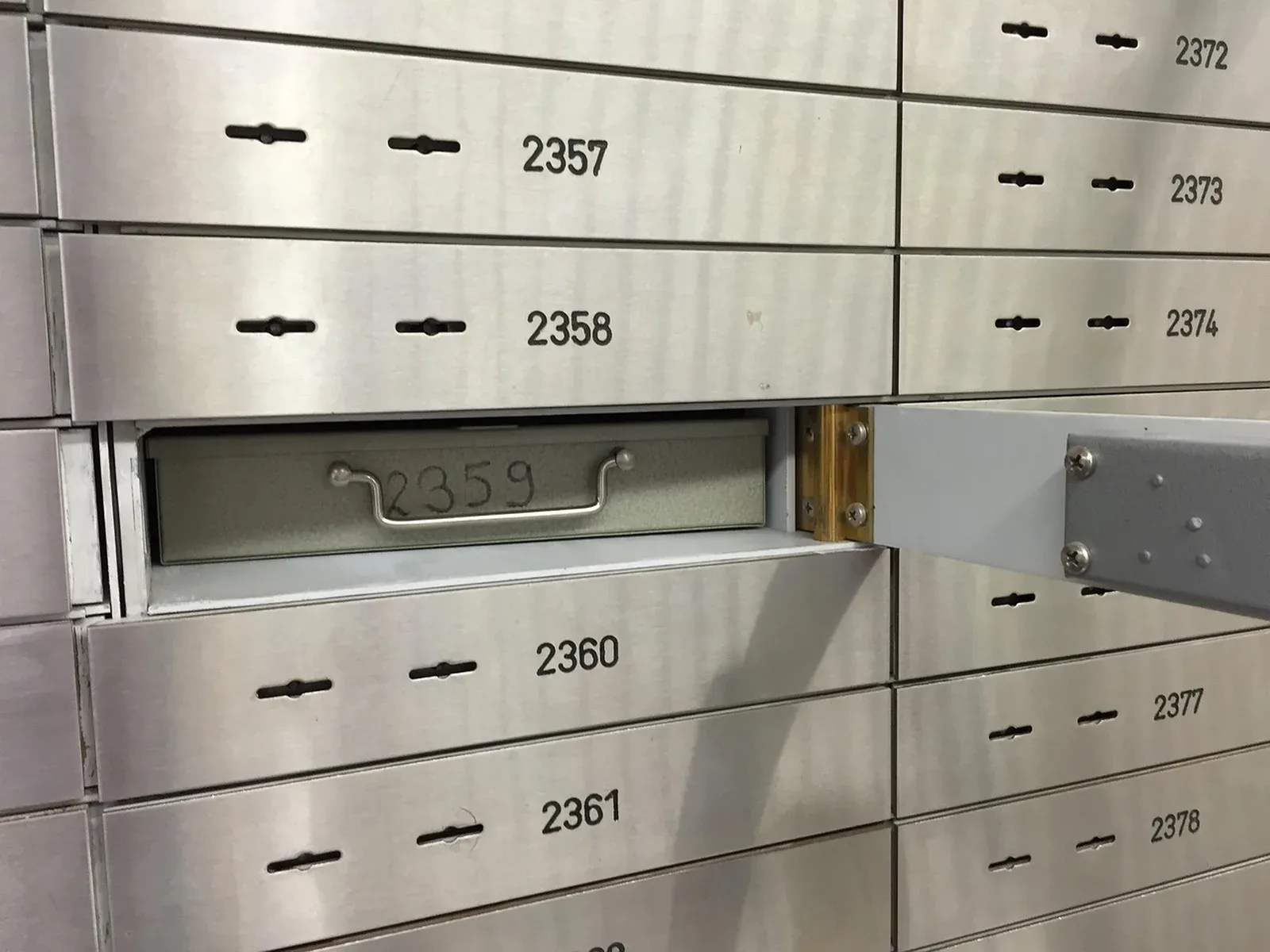
The most stressful part of a locked safe is how close everything is. Whatever you need is a few inches away behind steel, and nothing about the problem can be solved by pulling harder. As a mobile Sacramento locksmith, we deal with these calls by first getting to know the safe, because the right method depends heavily on what kind of safe it is.
Start With What the Safe Is
Safes vary widely: a compact fire box, a gun safe at home, a wall unit, and a cash safe at a shop have little in common. They use different locks, different bolt arrangements, and different levels of protection built into the door. Applying one technique to all of them is a guess, and guesses on safes are expensive.
So the first question we ask on the phone is the make and model. With those, the technician can estimate what the lock is, how the door is built, and what a reasonable method looks like. It also lets you hear the approach and the price before anyone is standing at your safe.
Finding the Make and Model
Most safes carry their details somewhere. Look in these places:
- The door edge and frame. A plate or label is often placed here, visible only when the door is open, so it is worth noting down if you ever see it.
- The bottom or back. Stickers and stamped plates tend to end up in these spots.
- Around the lock. A logo may be printed or engraved near the dial or keypad.
- Paperwork. Check receipts, manuals, warranty cards, and the original box.
- People. A previous owner, an installer, or a relative may remember where it came from.
If nothing turns up, describe what you see: the rough size, the lock style, how it is anchored, and any lettering. We can often work from that.
Opening a Safe Without Wrecking It
We begin with approaches that leave the safe intact. A damaged safe stops doing its job, and safes are costly to replace.
Non-destructive opening
This means working with the safe’s own mechanism rather than cutting through steel. Depending on the safe, it might involve manipulating a dial, using a manufacturer override, or coaxing an electronic lock to release its bolts. When it succeeds, the safe closes and locks again with no repair needed.
It is not always possible. Some safes are designed to resist it, some have locks that have broken inside, and some have bolts that have seized. That is why we describe the method we expect to use based on your details, and why we do not promise a particular outcome on a safe nobody has examined.
When drilling is the answer
Drilling has a poor reputation because careless drilling earns it. A hole in the wrong place can wreck the lock, trigger internal security devices, and leave a door that will not close.
Done properly, it is a controlled step. A technician drills at a chosen point to reach the lock or its bolt work, keeps the hole small, and avoids damage to the parts that matter. Afterward, the hole can be sealed and the lock replaced, so the safe goes back to work. Again, the make and model are what tell us where that point is.
If the plan changes once we are at the safe, we tell you before anything happens, not after. You stay in charge of the decision at each stage, including whether to go ahead at all once you have heard the price.
It also helps to keep the safe’s door closed and untouched while you wait. Repeated wrong attempts on some electronic locks can trigger a lockout delay, and forcing a dial or handle can bend internal parts that would otherwise have been fine. If you have already tried several codes, mention that when you call, since it can affect which method makes sense.
Lost Combinations, Dead Keypads, and Code Changes
A combination nobody remembers
It happens often: the safe has not been touched in a long time, the note is gone, or the only person who knew the code has passed away. We open these safes, beginning with the gentlest methods that suit the lock.
A keypad that has gone silent
Try new batteries before anything else, since low power is a frequent culprit. If the keypad still will not respond, the electronic lock may have failed. We can open the safe and install a replacement lock so the keypad works again.
Setting a new combination
A fresh code makes sense when you buy a used safe, take over a home or business, or part ways with someone who knew the old one. After the reset, access belongs only to the people you pick.
Inherited and Left-Behind Safes
Safes often come with the building. You buy a home and find one bolted in a closet. A relative’s estate includes a safe nobody can open. A new tenant moves into an office and finds one the last occupant never took.
In these cases the make, model, and combination are usually all unknown, and there may be something important inside. Before you call, collect whatever shows the property or the safe belongs to you, such as closing documents, estate papers, or a lease. Then tell us what you can see.
Why we ask about ownership
We ask for some proof you are entitled to open the safe, just as we do for a car, a home, or a building. It is not a judgment. A safe holds what people most want to keep from others, and a locksmith who opens one for anybody who asks would be a risk to everybody. A closing statement, estate document, lease, or other record tied to the address is usually enough. If the only paperwork is inside the safe, say so, and we will work out what else can establish it.
Urgent Cases and Business Safes
Sometimes waiting is not an option. Medication, closing documents, or a cash drawer may be locked inside. We are open 24 hours, 7 days, and our emergency locksmith service covers calls that cannot wait until morning.
For businesses, the safe is rarely the only concern. Back-office doors, storefront cylinders, and exit hardware often need attention in the same visit, which falls under our commercial locksmith work. And if the room that holds the safe needs a stronger door lock, lock installation and repair covers that.
What to Tell Us When You Call
- Brand and model, or a quick description of the safe if the label is missing
- The type of lock: dial, keypad, or key
- What happened: forgotten code, dead keypad, lost key, or a wish to change the combination
- Where the safe sits and whether it is bolted down
- Whether you can show the safe belongs to you
How pricing works
Every visit includes a $29 trip fee. After the technician has seen the safe, they give you the price for the job before they start. If something comes up that changes the work, such as a new combination you want added once the door is open, that is priced separately and you approve it first.
Where We Work in Sacramento
We bring safe service to homes and businesses across the region. In the city itself, see locksmith service in Sacramento. We also work with households in Carmichael, properties in Rio Linda, and offices and homes in Folsom. The complete list is on our service areas page, and you can reach us anytime through the contact page.
How this job goes
- 1
Identify the Safe
You describe the safe and give us the make and model if you can find them. That tells us what lock it has and how it is built.
- 2
Choose the Approach
At the safe, we confirm the plan and the price. Non-destructive methods come first, and we tell you before changing course.
- 3
Open and Restore
Once open, we repair or replace a failed lock if needed and can set a new combination, so the safe is usable again.
Safe Locksmith questions
Why do you ask for the make and model?
Safes differ in lock type, bolt work, and construction, so the model decides which method is realistic. Knowing it ahead of time lets us bring the right tools and give you a more accurate picture of the job.
Will opening my safe damage it?
We try non-destructive methods first, and when they work, the safe goes back into service as it was. Some safes are built to resist those methods, and a few have failed parts. If drilling is the only route, we explain that before we begin.
The keypad is dead. Does that mean the lock is broken?
Not necessarily. Weak batteries are a common cause, so try fresh ones before you call. If the keypad is still unresponsive, the electronic lock itself may have failed, and it can be replaced after the safe is opened.
Can you open a safe if nobody knows the combination?
In many cases, yes. It depends on the lock type and the construction of the safe. Start with the make and model, and we will explain which methods apply.
Can the combination be changed?
Yes. A new combination is wise after buying a used safe, taking over a property, or when someone who knew the old code no longer should. We set it so only the people you pick have access.
What if I cannot find a make or model anywhere?
Describe what you can see: size, whether it has a dial, keypad, or key, how it is mounted, and any logo or lettering. Photos help too. That is often enough for a technician to work out what they are dealing with.
Is there a charge just to come out?
Yes, a $29 trip fee applies to every visit, whether or not you proceed. Once the technician has seen the safe, they tell you the price for the job before any work begins.