
Master Key System Design for Sacramento Properties
If your building runs on a heavy ring of unlabeled keys, a master key system replaces the chaos with a plan. We design it, rekey to it, and test every door.
$29 trip fee. The tech gives you the price once they have seen the work, before starting.
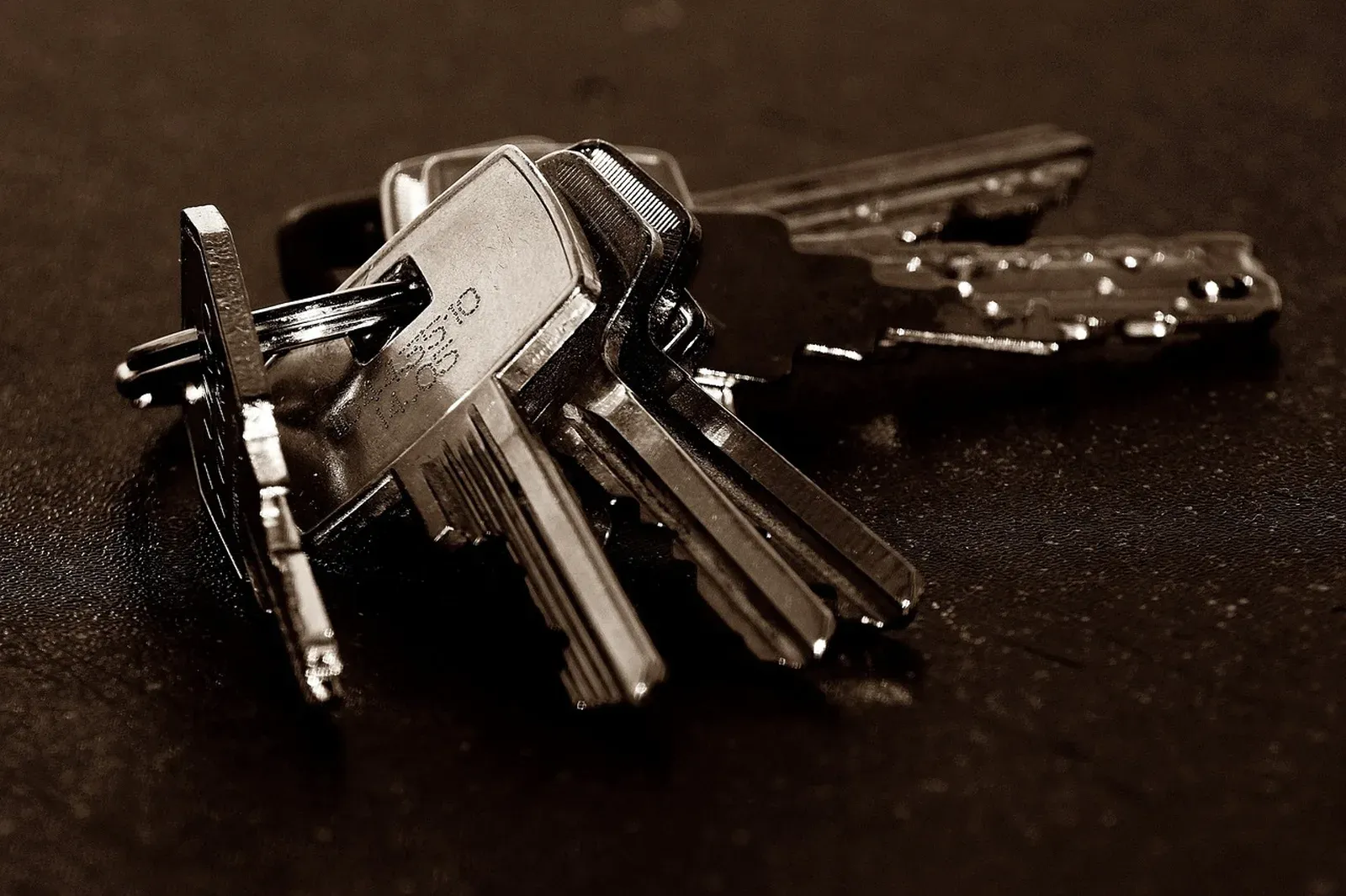
Picture a facilities manager at the start of a shift, holding a ring of keys that has grown over time, none of them labeled with any confidence. A cleaner needs the storage rooms, a tenant has lost the key to their suite, and nobody can say who has copies of the key to the electrical closet. That is the situation a master key system is designed to end. As a mobile Sacramento locksmith, we plan these systems on paper first, then rekey the property to match.
How a Master Key System Is Organized
Think of a master key system as a tree. Each lock has its own key, called a change key, and that key opens that lock alone. Above it sits a sub-master, which opens a whole group, such as every door on the second floor or every room in a department. At the top, the master opens everything in the system. Very large properties sometimes add a grand master above that.
The result is that each person carries only what their role requires. A tenant has one key for their unit and the shared entrance. Maintenance has a sub-master for the service areas. The owner or manager holds the master. Nobody has to carry a dozen keys to cover a handful of doors.
Our Four-Stage Process
We follow the same order on every property. Cutting keys before the plan is settled is the usual cause of systems that cannot be fixed later.
Stage 1: Decide who opens what
We start with people, not hardware. Together we answer a few questions:
- Which roles need access to the entire building?
- Which groups share a set of doors, such as a department or a floor?
- Which rooms should stay restricted, like a server closet or file room?
- Which doors are common to everyone, such as the front entry or a mailroom?
The answers become a chart of doors against roles. It takes some effort, but it is the foundation, and it matters more than any lock brand.
Stage 2: Draw the hierarchy
Next we lay out the levels and decide how each lock must be keyed to fit them. This happens before a single key is cut. The design sets what the system can and cannot do for as long as it is in use, and a written plan gives you something to check whenever a key is issued or a door changes.
Stage 3: Leave room to grow
A key system can run out of space. If the layout has used up every option available to it, adding a new suite means disturbing the doors that were already correct. We build in reserve capacity based on what you tell us about expansion, whether that is another floor, extra units, or a neighboring space.
Stage 4: Rekey, cut, and test
With the plan approved, we rekey the cylinders that can join the system and identify any that cannot. Worn or incompatible hardware gets replaced, which may overlap with our lock installation and repair work. Keys are then cut to the chart and tested. We check that each key opens its doors, and just as carefully that it does not open the ones it should not.
Keeping Control of Keys Afterward
The system works only as long as the keys are managed. These habits make the difference:
- Limit master keys to the fewest people who truly need them.
- Keep a written log of who holds which key and when it was issued.
- Collect keys from anyone who leaves, as part of a standard checklist.
- Lock up spares rather than leaving them in a drawer.
- Respond promptly to a lost key. A lost change key affects one door, while a lost master affects everything below it.
Problems We See in Older Systems
Plenty of buildings already have a master system that was extended a piece at a time. Those tend to share a handful of weaknesses:
- There is no chart, so nobody knows what opens what.
- Copies of the top key have multiplied, and no one knows how many.
- Two groups overlap, so a key for one area opens another.
- The original design is full, and adding a door means changing existing ones.
- A few doors have mismatched locks that sit outside the system entirely.
Some of these can be repaired by rekeying part of the building into a cleaner design. Others are better solved by starting the hierarchy over. During the walkthrough we say which situation applies and give the price before any work starts.
Master Keying, Keyed Alike, and Plain Rekeying
These three get mixed up, and they solve different problems.
Keyed alike means a set of locks all share one key. It suits a single household or a small business where everyone gets the same access, and it offers no way to separate areas.
Plain rekeying changes the pins in existing locks so a new key works and old keys stop working. It is the right call after a move-in, a departure, or a lost key. Our lock rekeying page explains the process in detail.
Master keying builds a layered system, so different people open different sets of doors with different keys. If you have more than a few doors and more than a few kinds of user, this is the option that keeps things manageable.
Where Master Keys Make Sense
The pattern shows up wherever access has to be divided:
- Office buildings with several departments or tenants
- Apartment communities with units, laundry rooms, and a leasing office
- Medical and dental suites with restricted supply and record rooms
- Schools, churches, and community buildings with staff, volunteers, and visitors
- Warehouses and light industrial sites with shared and restricted areas
- Retail centers where each shop is separate but maintenance needs to reach common areas
If your property sits in this group and you are also fixing doors, our commercial locksmith service covers the exit devices, closers, and storefront hardware that tend to come up on the same walk-through.
How Pricing Works
Every visit includes a $29 trip fee, whether or not you decide to proceed. After the technician has walked the property and seen the locks, they tell you the price for the work before any of it begins. Master key projects vary a lot depending on the number of doors and the condition of the existing hardware, so a number given before a walkthrough would be a guess. We would rather look first.
What to Gather Before You Call
- A count of the doors that need locks
- The kind of lock on each, such as a deadbolt, lever, or mortise lock
- A short list of who needs access to what
- Any current key chart, even a rough one
- Any areas you expect to add in the near future
- How many people hold keys today
None of this has to be perfect. A rough list is enough to start planning, and we refine it on site.
Where We Work in Sacramento
We plan and install key systems for properties across the area. In the city itself, see locksmith service in Sacramento. We also serve offices and complexes in Folsom, business parks near Rancho Cordova, and buildings in Citrus Heights. The full list is on our service areas page.
How this job goes
- 1
Walk the Property
We look at every door that needs a lock, note the hardware, and sit down with you to list who needs access to what.
- 2
Draft the Plan
The key levels are laid out on paper, with room left for new doors, and you approve the plan before anything is changed.
- 3
Rekey and Test
Cylinders are rekeyed to the plan, keys are cut, and each one is tried in the doors it should and should not open.
Master Key Systems questions
How many levels of keys do we need?
Smaller properties often need only individual keys and one master. Buildings with departments, floors, or several tenants usually add a sub-master level in between. We recommend the fewest levels that give everyone the access they need, because every extra level adds complexity.
Can our current locks be used in the system?
Often yes. Many commercial cylinders can be rekeyed to join a new system. Locks that are worn out, damaged, or built in a way that cannot support the design are replaced, and we tell you which is which during the walkthrough.
What happens if a master key goes missing?
That is the serious case, since a master opens every lock beneath it. Depending on the level that was lost, the fix may be rekeying the affected group of doors and issuing new keys. A key log makes it much easier to decide how far the response has to go.
Can we add doors later without redoing the entire building?
If the system was designed with spare capacity, yes. New doors are keyed into the existing plan and everyone keeps the keys they already have. Without that reserve, expanding can force a broader rekey.
Is a master key system less secure than a separate key for every door?
It concentrates access in the master keys, so those keys need tighter control. In return, people carry fewer keys, which cuts down on loose copies and mix-ups. A well-run system with a short list of master holders is a sound approach for most shared buildings.
Is that the same as keying all the locks alike?
No. Keyed alike means one key opens every lock in a set, with no distinction between doors. A master system gives each lock its own key while adding higher keys that open groups or the whole building.
What do you need to give me a price?
The number of doors, the type of lock on each, and a rough idea of who needs access to what. Every visit carries a $29 trip fee, and once the technician has seen the doors, they tell you the price before starting.