Ignition Cylinder Repair and Replacement in Sacramento
When the key will not turn, the key, the cylinder, or the electronics could be to blame. We find out which before touching parts, and we do the work where the car sits.
$29 trip fee. The tech gives you the price once they have seen the work, before starting.
Turn the key and nothing moves: no click, no crank, just resistance. It looks like a dead car, yet the battery, engine, and key are often perfectly fine. The fault frequently sits in the ignition cylinder, the small lock the key slides into. If that sounds like your morning, a mobile Sacramento locksmith can diagnose and fix it where the car is parked.
What an Ignition Cylinder Is and How It Wears
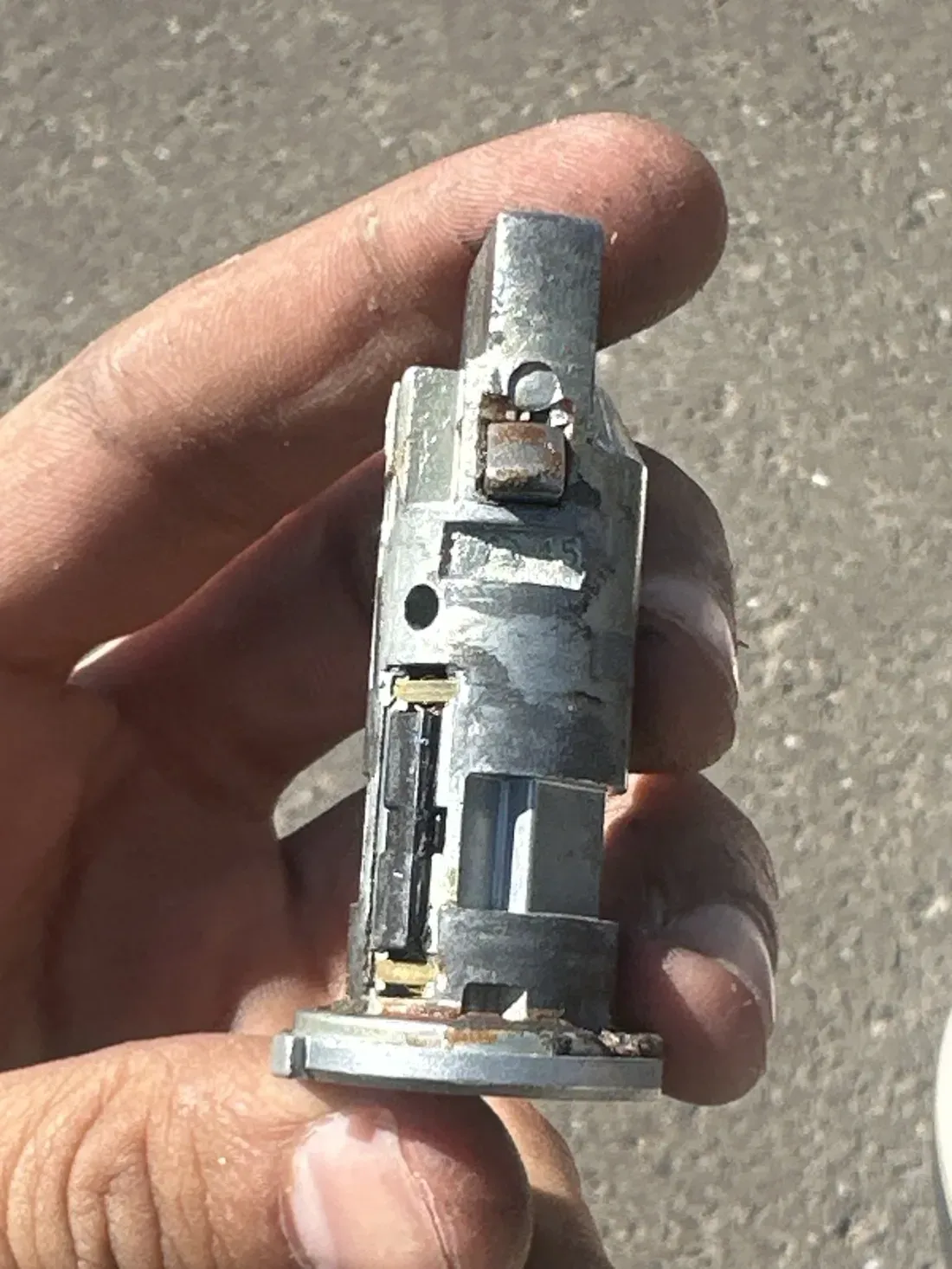
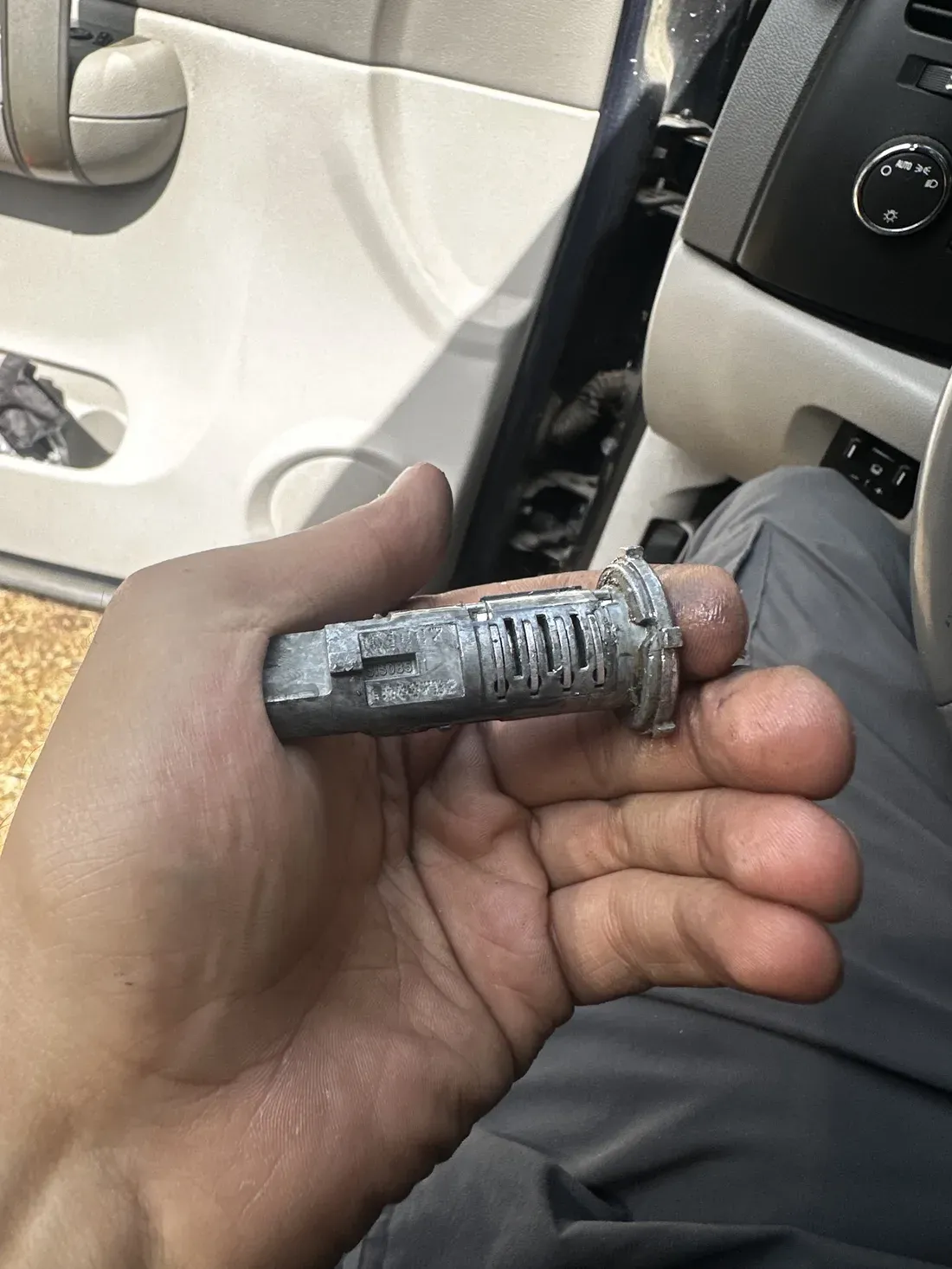
The cylinder is a lock like any other. Inside are small moving parts that must match the cuts on your key exactly before it will rotate. Every start nudges those parts, and across thousands of starts they wear down. When the match gets sloppy, the key sticks, catches, or stops turning.
Some habits and conditions speed this up:
- A heavy keyring that swings and tugs the key with every bump
- A rounded, worn key that pushes the internal parts unevenly
- Hard twisting whenever the key hesitates
- Dust, grit, and heat, which are hard on small moving parts
None of this means you did something wrong. It is ordinary wear on something used every day.
It also helps to know that the cylinder is only one piece of the starting system. Behind it sits an electrical switch that sends power to the starter and the dash, and on many newer cars a chip reader that checks your key. Trouble in any of the three can look like a bad ignition from the driver’s seat, which is why we diagnose before we replace.
Symptoms That Show Up First
Cylinders rarely quit all at once. Look for:
- The key goes in but needs several attempts to turn
- You must wiggle or tilt the key to find the sweet spot
- The key is hard to pull out after shutting off the car
- The key feels loose in the slot
- The key turns, but the dash lights flicker or the starter does not engage
If you notice one of these, calling early is better than waiting for the day it finally refuses.
Stop Forcing It
This is the most valuable tip on the page. When a key resists, pushing harder is the instinct, and it is exactly how blades break off inside. A snapped key in a worn cylinder is a bigger job, because the piece has to be extracted before anything else can happen.
A snapped key can also leave a sharp edge or a bent part inside, so a rough pull with pliers often makes things worse. If the key will not turn, stop. If it slides out easily, remove it and try the spare. If it will not come out, leave it where it is and call.
One quick check before you do: with the key in, move the steering wheel gently left and right while turning. A locked steering column can mimic a bad ignition, and a little wheel pressure may free it.
How an Ignition Job Unfolds
A proper repair follows an order, and skipping steps is how people pay for parts they did not need.
Tell us what you see
Give us the make, model, and year, and describe the symptom. Does the key enter? Turn part way? Turn fully with no start? Is it stuck right now? Do you have a spare, and does it behave the same? A spare that works smoothly is a useful clue.
We come to you and verify ownership
We drive to the car. Before working on an ignition we ask for proof of ownership, such as the registration or title with matching ID. The visit carries a $29 trip fee.
Diagnose before replacing anything
The key and the cylinder are checked separately. A worn key can act like a failing cylinder, and a failed chip can look like either. Finding the true cause comes first, because that is the difference between a fix and a guess.
Repair or replace
Not every worn cylinder calls for new parts. Mild wear can sometimes be corrected by rebuilding the internal pieces, and the car keeps its original cylinder. Heavier wear, damage from a forced key, or a cylinder that has been tampered with usually points to a swap. Either way the work happens in your driveway or lot, not on a lift somewhere.
A cylinder that still has life in it gets repaired. One that is too worn for a repair to hold gets a replacement recommendation, with our reasons given before we start. You know what is being done to your car before it is done.
Match it to your key
A new cylinder can often be set to your current key, which means you do not carry one key for the ignition and another for the doors.
Test and hand back
The key should enter smoothly, turn cleanly, and start the engine. We check all of that before leaving. If you have a second key, we try it too, since a spare that fails is better discovered now than on a cold morning. We also go over what we did, so you know what was repaired and what was left alone.
How Pricing Works
The structure is the same on every visit. A $29 trip fee applies when we come out, whether or not you go ahead with the work. After the technician has seen the car and the problem, they tell you the price before starting. Ignition jobs vary because the vehicle, the cylinder, and the amount of wear all differ, so we do not guess over the phone.
Making the Repair Last
Once it works again, a few habits help it stay that way:
- Lighten the keyring. Put the car key on its own ring, or take off the bulky items.
- Replace a worn key early. A fresh key is gentler on the cylinder than a rounded one, and a spare cut from a worn key just passes the wear along. Cutting from a good original, or from the vehicle’s code, avoids that.
- Never force it. If the key starts to catch again, call before it gets worse.
When the Ignition Is Not the Real Problem
Not every no-start points to the ignition. On many newer vehicles the engine stays off when the car fails to read the chip in the key, even though the cylinder turns without a problem. The fix there is typically car key replacement, or a paired fob through key fob programming. If you are stuck and need help right now, our emergency locksmith page explains how to reach us at any hour.
Ignition Calls Across the Sacramento Area
Ignition wear builds up wherever people drive daily. We come to cars in North Highlands, Antelope, Rio Linda, and Arden-Arcade, as well as throughout the city. You will find every community on our service areas page.
If the key is starting to stick, catch, or resist, call before it fails in a parking lot. Tell us the car and how the key behaves, and we will come to you.
From the field
How this job goes
- 1
Describe the symptom
Tell us the vehicle and what the key does: refuses to enter, enters but will not turn, or turns without the engine starting.
- 2
Diagnose first
We confirm ownership, check the key and the cylinder separately, and explain what we found and what it will cost before any work begins.
- 3
Repair and test
The cylinder is repaired or replaced and matched to your key, then tested to be sure it turns smoothly and starts the car.
Ignition Repair questions
Why will my key go into the ignition but not turn?
The most common cause is a worn cylinder or a worn key whose cuts no longer line up with the internal parts. A steering wheel lock that has engaged can also stop it, so try turning the wheel slightly while turning the key. If that does not help, stop and call.
Should I keep forcing the key?
No. Forcing it is how keys snap off inside the cylinder, which makes the repair larger. If the key will not turn and comes out easily, remove it. If it will not come out, leave it and call us.
How do I tell whether the problem is the key or the ignition?
Try a spare key if you have one. If the spare turns smoothly, the everyday key is likely worn. If both struggle, the cylinder is the more likely cause.
Do I need a new cylinder, or can it be repaired?
It depends on how worn the cylinder is. Some can be brought back to working order and others are worn too far for a repair to last. We tell you which we recommend and why before the work starts.
Will I need a second key just for the ignition?
Not necessarily. A replacement cylinder can often be matched to your existing key, so one key keeps working for the car. Tell us what keys you have when you call.
What if the car cranks but will not start?
That can be an ignition issue, but on many vehicles it points to the key's chip not being recognized, or to a fault elsewhere in the car. We check the key and cylinder first and tell you honestly if the cause lies outside our work.
What does ignition repair cost?
It depends on the vehicle and whether the cylinder is repaired or replaced. There is a $29 trip fee on every visit, and once the technician has seen the work they tell you the price before starting.